Badhotta: A Handwritten Font for Web Design
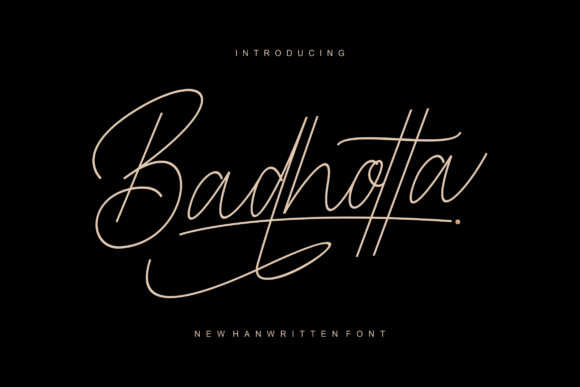
As a web designer, I’m always on the lookout for fonts that bring personality to digital spaces without sacrificing clarity. Badhotta, a premium handwritten font from Script Amp, has quickly become one of my go-to choices for adding a touch of elegance and warmth to website layouts. Its natural flow and refined charm make it perfect for headers, hero sections, and other key design elements where visual appeal meets usability.
Testing Badhotta in Real Web Projects
Last week, I was working on a boutique online store’s homepage, and I wanted a font that felt personal yet professional. I pulled up Badhotta and dropped it into the hero section. The result was immediate—this font brought a sense of authenticity and creativity that matched the brand’s aesthetic perfectly. It wasn’t just about looks; it also added a subtle emotional connection that made the site feel more human.
On mobile devices, Badhotta held up well, maintaining its legibility even at smaller sizes. I tested it over a dark background with a light text overlay and found that it still read clearly without looking too ornate. That’s a big win for responsive design, where every pixel counts.
When Badhotta Shines in Web Design
Badhotta excels in display roles—think headings, call-to-action buttons, and decorative accents. It works especially well when paired with a clean sans serif font for body copy, creating a balanced contrast that keeps the design modern while keeping the personality intact. For example, using Badhotta for a headline like “Discover Your Style” alongside a simple serif or sans serif for the supporting text gives the page a polished, professional look.
I’ve used it on a creative portfolio site, where it added a soft, artistic edge to project titles. On a coaching website, it helped reinforce the brand’s approachable and inspiring vibe. In both cases, it didn’t overpower the content—it enhanced it.
Readability and Responsiveness
One of the biggest concerns with decorative fonts is readability, especially on small screens or against complex backgrounds. With Badhotta, I found that it performs well when used sparingly. It’s best suited for short phrases, such as headlines, taglines, or button text. Using it for long paragraphs or dense blocks of text would be a mistake—it can become hard to scan and may not meet accessibility standards.
For web projects, I recommend testing Badhotta across different screen sizes and color combinations. It works beautifully on light backgrounds but can lose some of its detail on darker ones. If you’re using it over images or gradients, consider adjusting the opacity or adding a subtle stroke to ensure it remains legible.
Font Pairing and Digital Branding
Pairing Badhotta with other fonts can elevate a website’s overall look. I often pair it with a simple sans serif like Open Sans or a classic serif like Georgia. This combination creates a clean, modern feel while keeping the design from becoming too busy. For a more editorial style, pairing it with a serif font like Playfair Display adds a touch of sophistication.
When building a brand identity, Badhotta can help define a unique voice. Whether it’s for a lifestyle blog, an online course, or a digital product, this font brings a sense of craft and care that resonates with users. It’s ideal for brands that want to stand out without being too flashy.
Practical Tips for Web Use
If you’re planning to use Badhotta on your website, make sure to check the available styles, weights, and file formats. Most web designers will need the WOFF or WOFF2 versions for optimal performance. Also, verify that the font supports the languages your audience uses, especially if you’re targeting international markets.
Before using it on client projects or commercial websites, confirm the licensing terms. Badhotta is likely a commercial font, so you’ll want to ensure it’s properly licensed for web use. This is especially important if you’re building templates or selling digital assets.
Overall, Badhotta is a versatile and expressive font that can add a unique touch to any web design. Whether you’re launching a new site or redesigning an existing one, it’s worth experimenting with to see how it can enhance your digital presence.